
Disclaimer: This content is for informational purposes only and is not intended to diagnose, treat, cure, or prevent any disease. The effects of Delta-8 and Delta-9 THC may vary by individual. Always consult a qualified healthcare professional before using cannabinoid products, and follow all local laws and regulations.
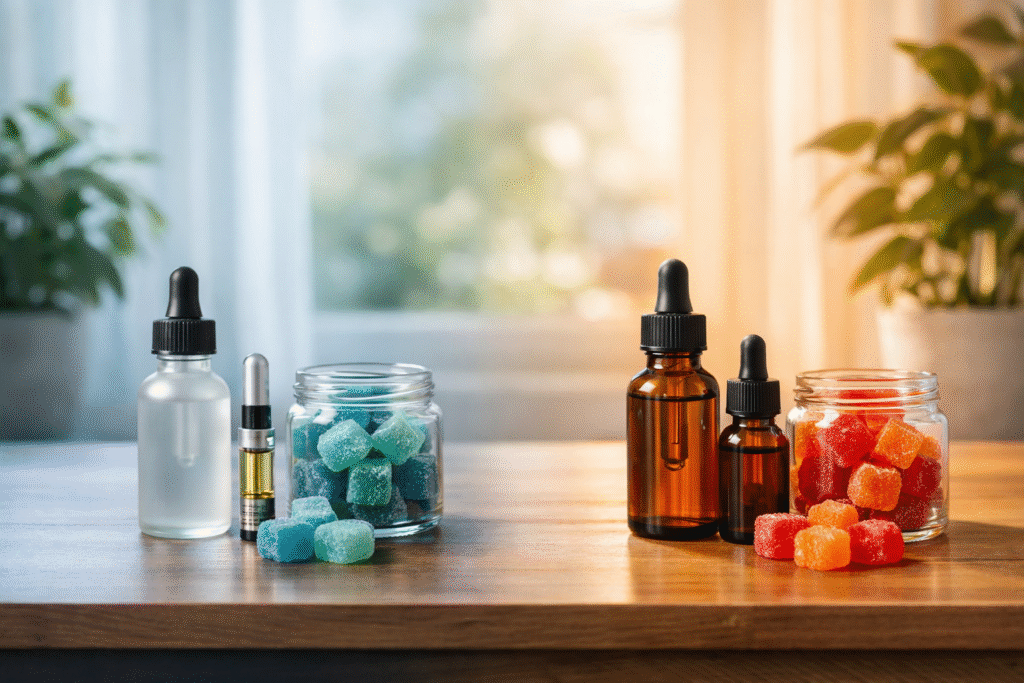
Choosing the right cannabinoid for your wellness routine can be confusing, especially with the popularity of Delta-8 and Delta-9 THC. At Standard CBD, we provide clean, lab-tested products and expert guidance to help you make informed choices for your health and lifestyle.
Whether you’re seeking mild relaxation, stress relief, or stronger therapeutic effects, understanding the differences between Delta-8 and Delta-9 is essential. If you have questions or want personalized recommendations, contact us today!

Delta-8 THC is a naturally occurring cannabinoid found in the Cannabis sativa plant. Chemically similar to Delta-9 THC, it produces milder psychoactive effects, making it suitable for users seeking a gentle, clear-headed experience. Delta-8 interacts with the body’s endocannabinoid system to support relaxation, mild euphoria, appetite stimulation, and neuroprotection.
Key points about Delta-8 include:
Delta-8 is prized for its gentle effects and versatility in wellness routines.
Its potential benefits include:
While Delta-8 is milder than Delta-9, some users may experience:
Most side effects are temporary and can often be managed by adjusting dosage or consuming with food.
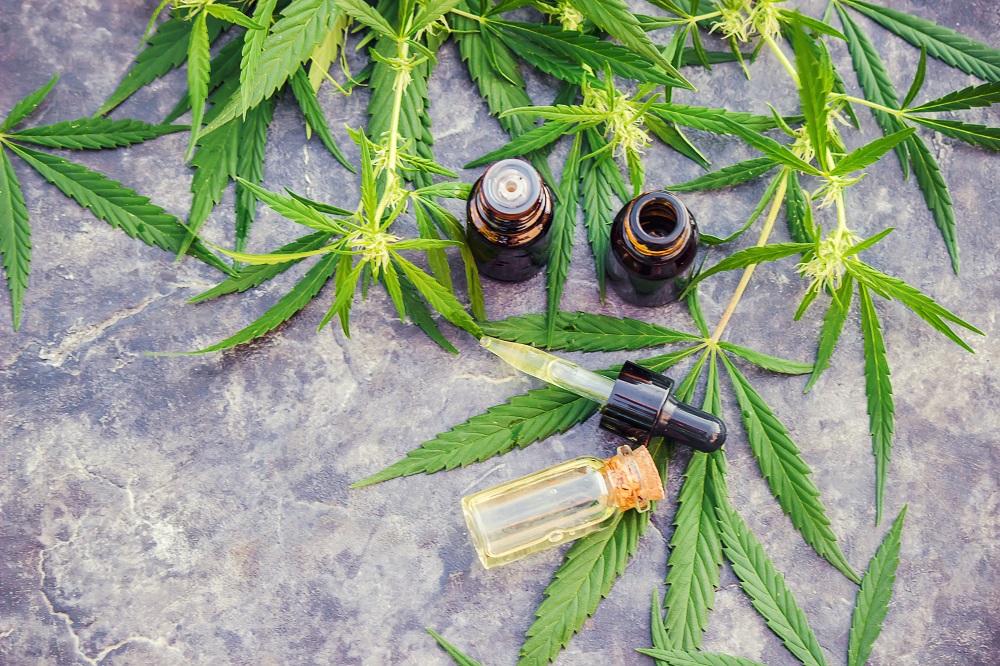
Delta-9 THC is the primary psychoactive compound in marijuana and interacts with the endocannabinoid system to produce more potent effects than Delta-8. It supports relaxation, appetite stimulation, pain relief, and sleep quality, making it ideal for users seeking stronger therapeutic benefits.
The potential benefits of Delta-9 include:
Delta-9 may produce more noticeable effects, including:
These effects are generally mild for healthy adults but should be monitored, especially by individuals with cardiovascular concerns.
While Delta-8 and Delta-9 THC are closely related, they have distinct characteristics that affect their potency, effects, and legal status.
Delta-8 is milder than Delta-9. It produces gentle, clear-headed relaxation and mild mood enhancement, making it ideal for users seeking subtle effects. Delta-9, on the other hand, is stronger and more psychoactive, providing intense euphoria, deeper relaxation, and pronounced body effects.
Because Delta-8 binds less strongly to CB1 receptors in the nervous system, its high is smoother and more manageable. Users often report feeling calm and focused rather than overwhelmed. Delta-9 binds more tightly to these receptors, resulting in faster onset, stronger euphoria, and a more powerful psychoactive experience.
Delta-8 is suitable for mild stress relief, light pain management, and daytime relaxation without sedation. Delta-9 excels in more potent therapeutic needs such as chronic pain relief, appetite stimulation, deep relaxation, and sleep support.
Delta-8 derived from hemp (containing less than 0.3% Delta-9 THC) is federally legal in the United States, though some states have restrictions. Delta-9 remains federally controlled, though certain states allow regulated medical or recreational use.
Delta-9 is naturally abundant in marijuana and easily extracted, while Delta-8 occurs in trace amounts and is often synthesized from CBD to produce consistent, safe products.
Selecting between Delta-8 and Delta-9 depends on your desired effects, tolerance, and wellness goals:
Choose Delta-8 if you want:
Choose Delta-9 if you want:
At Standard CBD, we offer clean, lab-tested Delta-8 and Delta-9 products to suit your lifestyle and wellness needs. Our team provides guidance on responsible use to ensure safe and effective experiences.
1. Which THC is better for pain relief: Delta-8 or Delta-9?
Delta-9 THC is generally stronger for pain relief because it binds more effectively to receptors in the nervous system. It’s great for users who need potent pain management. Delta-8 can help too, but offers milder relief, making it ideal for those who want comfort without feeling overly high.
2. Can I use Delta-8 or Delta-9 to reduce anxiety or stress?
Yes! Delta-8 is often preferred for stress and anxiety because it produces a gentle, calm effect without much risk of paranoia. Delta-9 can also help relieve stress, but its stronger psychoactive effects may increase anxiety in sensitive users. If you’re looking for subtle relaxation, Delta-8 is usually the safer choice.
3. Are there conditions Delta-9 treats that Delta-8 cannot?
Yes. Delta-9 THC has FDA-backed uses, including reducing nausea, preventing chemotherapy-related vomiting, and stimulating appetite in severe medical conditions. Delta-8 doesn’t have these formal approvals, though it can still help with mild pain, stress, or nausea.
4. Which THC is better for stimulating appetite?
Delta-9 takes the lead here. Its strong effect on appetite makes it useful for medical needs, like supporting those with low appetite or weight loss conditions. Delta-8 can increase hunger slightly, but it is generally milder and less predictable.
5. Can I microdose Delta-8 or Delta-9 for wellness without feeling high?
Absolutely. Microdosing lets you enjoy the benefits of THC without significant intoxication. Delta-8 is especially good for this because of its gentle effects. Delta-9 can be microdosed, too, but it requires careful, very low doses to avoid strong euphoria.
6. What’s the best way for first-time users to start with THC?
Start small—around 2–5 mg—and increase gradually while monitoring your response. Delta-8 is perfect for beginners because it’s mild. Delta-9 is stronger, so approach it cautiously and give your body time to adjust.
7. Which is better for daily relaxation?
Delta-8 wins for everyday calm. It provides clear-headed relaxation with minimal risk of fatigue or anxiety. Delta-9 can also relax you, but its stronger effects may interfere with focus or daily tasks.
8. Which THC works best for sleep support?
Delta-9 is usually more effective for sleep because its stronger effects encourage drowsiness and deep rest. Delta-8 can help with relaxation but typically produces a lighter sense of calm, which may not be enough for those with insomnia.
9. Which one feels more “natural” for everyday wellness routines?
Delta-8 tends to feel more natural for daily use. It’s gentle, manageable, and unlikely to disrupt your routine. Delta-9 is more intense and may be better reserved for evenings or specific therapeutic needs.
10. Can either THC help with chronic pain?
Yes. Both can be effective, but Delta-9 is more potent for severe pain due to stronger receptor binding. Delta-8 is better for moderate discomfort or users who prefer lower-intensity effects.
11. Why are Delta-9-infused edibles good for beginners?
Delta-9 edibles offer consistent, controlled doses, making them easier to manage than smoking or vaping. Effects develop gradually, last longer, and there’s no inhalation involved. They’re discreet, convenient, and ideal for first-time users who want a predictable, mild experience.
12. What health benefits do Delta-9 edibles provide?
Delta-9 edibles can help with pain relief, reducing inflammation, improving sleep, stimulating appetite, reducing nausea, and enhancing mood. Because the effects are long-lasting and dosing is controlled, they’re a reliable way to support overall wellness without the risks of smoking.